
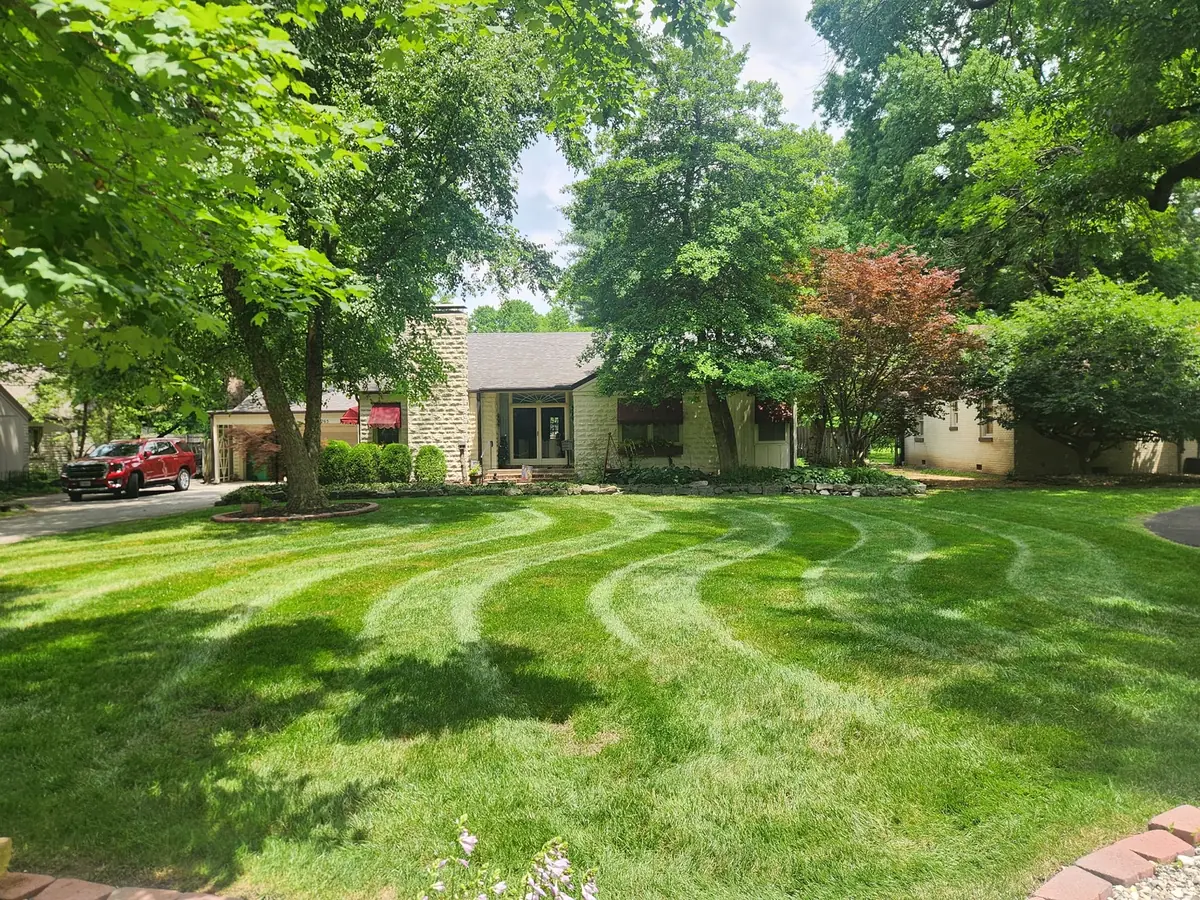
A rainy stretch creates a frustrating choice: the grass keeps growing, but the ground may not be ready for equipment. Mowing immediately after rain can be possible on some well-drained areas, while other lawns remain soft long after the blades look dry. The decision should consider both the grass and the soil underneath it.
Wet blades do not cut or discharge as cleanly
Moist grass can bend under the mower and spring back after the pass, leaving uneven areas. Clippings are more likely to stick together, collect under the deck and form heavy rows instead of dispersing into the lawn. Those clumps may need additional cleanup and can hide an inconsistent cut.
Saturated soil can rut under equipment
The bigger risk is often below the grass. Tires can press into soft soil, leave tracks or tear turf during turns. Low areas, drainage paths, slopes and shaded sections may stay saturated while the front yard appears ready. A few extra dry hours can make a meaningful difference.
Wet slopes add a safety problem
Traction changes quickly on wet grass. Decorative patterns and the normal route through a slope should never take priority over safe equipment control. A service may delay one part of a property even if another part can be handled.
Why a rain delay can create an overgrowth problem
When several wet days interrupt the route, the lawn may grow beyond its normal maintenance height. Cutting immediately back to the usual setting can remove too much leaf at once. University of Missouri guidance recommends raising the mowing height after a wet-weather delay and working back toward the desired height over later cuts when necessary.
What a sensible mowing service does after rain
- Checks the ground instead of judging only from the forecast.
- Looks closely at low, shaded and poorly drained areas.
- Avoids aggressive turns on soft turf.
- Adjusts cutting height if growth has become excessive.
- Communicates when the route needs to move for a better result.
How homeowners can help
Let the service know about drainage trouble, sprinkler schedules, hidden soft spots and gates that collect water. Avoid running irrigation immediately before the planned visit. If one part of the lawn consistently stays wet, photos and a short note help the operator plan the safest approach.
Clean results matter more than forcing a date
Reliable lawn service still needs a schedule, but reliability does not mean ignoring conditions that could damage the yard. Fine Edge Mowing evaluates the property and current route before confirming Springfield lawn mowing service. Call or text 417-830-4333 with the address and any known wet areas.
Helpful source: University of Missouri Integrated Pest Management: Proper Mowing Practices for Your Lawn.